



In July, I sat down with Rob Ager, one of YouTube's most insightful film analysts, and walked away with my understanding of cinema completely transformed.
Our conversation revealed not just how master filmmakers like Stanley Kubrick encoded hidden messages in their work, but why modern movies often leave us feeling spiritually drained rather than uplifted.
Not only that, this interview went mega-viral on Youtube, garnering almost 50,000 views… and counting!

The Hypnotist's Eye
Rob's journey into film analysis began with an unexpected source: his teenage study of hypnosis and psychology. As he explained the overlap between hypnotic techniques and cinematic storytelling, I realized I'd been experiencing these effects my entire life without understanding them.
The subtle use of subtext, timing, and visual manipulation that stage hypnotists employ? Kubrick mastered these same tools to communicate on multiple levels simultaneously.
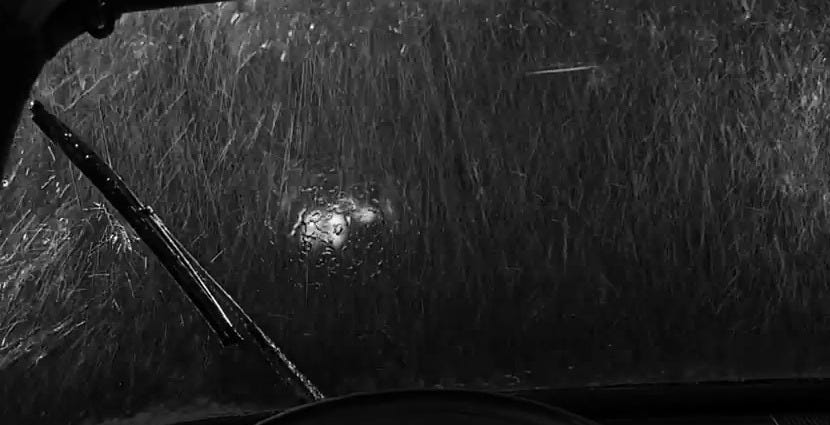
This revelation reframed every classic film I've ever loved. The windshield wiper in Psycho that moves like a knife before the shower scene. The impossible architecture of the Overlook Hotel that creates subconscious unease. These aren't accidents or Easter eggs - they're deliberate psychological programming designed to affect us beneath conscious awareness.
Kubrick's Ultimate Chess Move
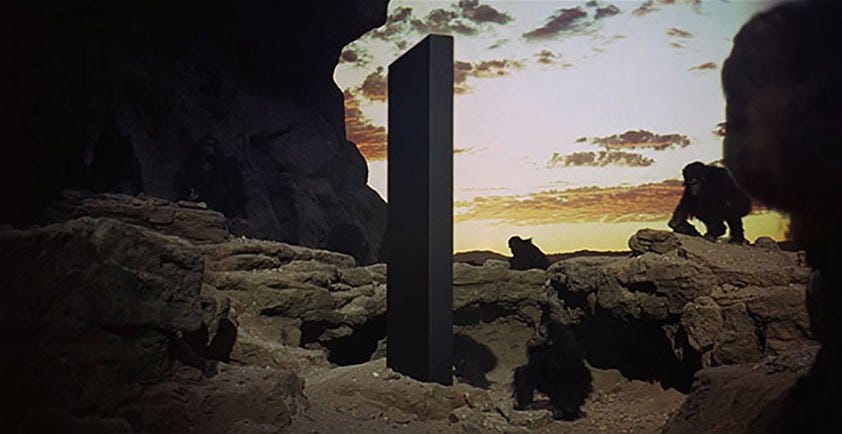
The most stunning revelation came when Rob decoded 2001: A Space Odyssey. The monolith - that mysterious black rectangle that appears throughout the film - isn't an alien artifact. It's the movie screen itself. We, the audience, are the apes touching the monolith, being guided to higher consciousness through cinema.
When you realize this, the entire alien narrative collapses. Kubrick fooled Hollywood investors into funding an anti-technology warning by disguising it as pro-space race propaganda. The man was playing chess while everyone else was playing checkers, embedding revolutionary ideas in mainstream entertainment where they could reach millions without triggering censorship.
The Superman Standard
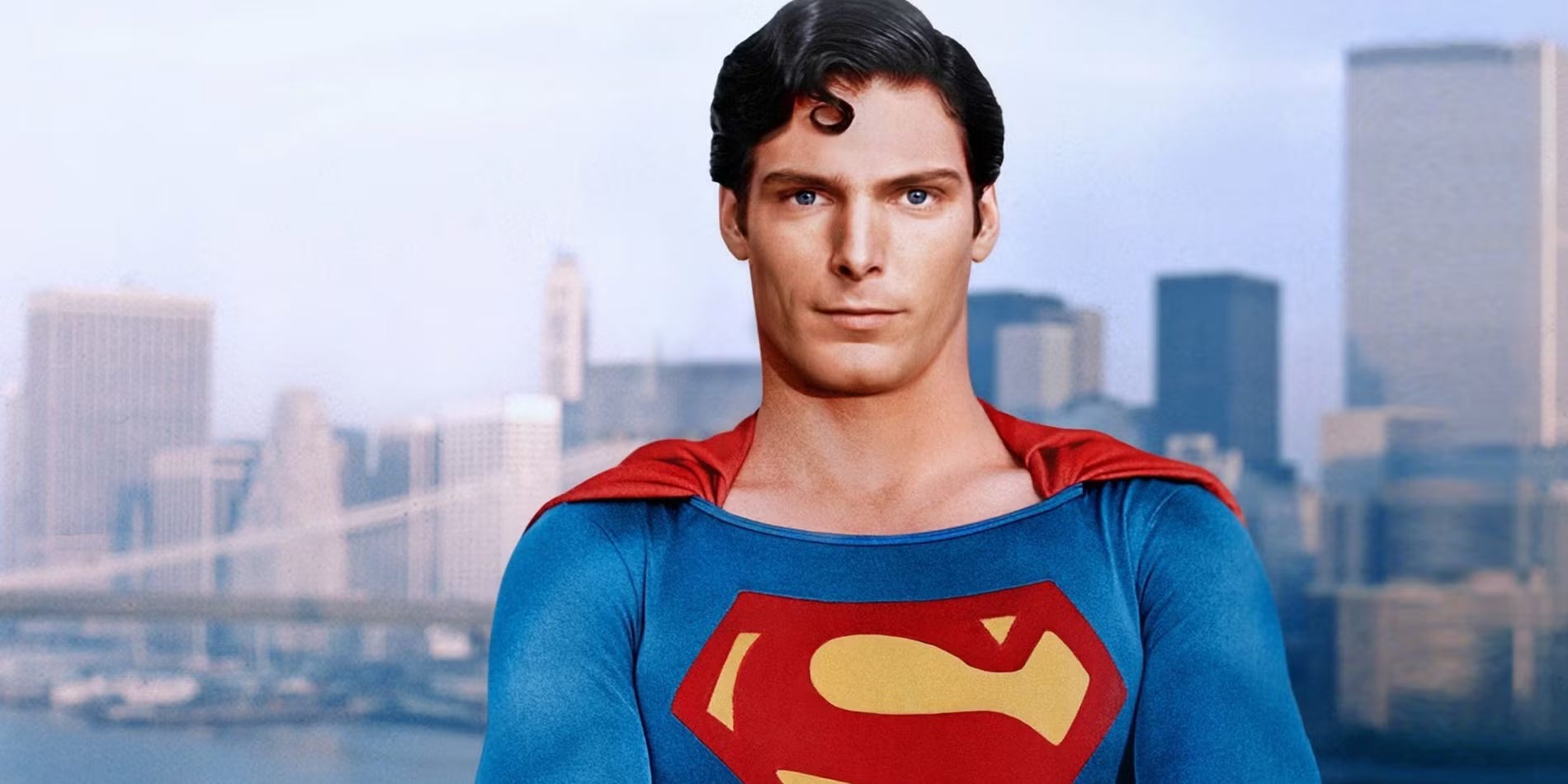
Our discussion of heroism struck me particularly hard. Rob contrasted the 1978 Superman with modern superheroes, noting something I'd felt but never articulated: Superman suffers more trauma than most heroes yet never becomes bitter, vengeful, or cynical. He remains genuinely noble.
Today's heroes are marketed as "realistic" because they're angry victims seeking revenge. We've convinced ourselves that darkness equals depth, that noble characters are somehow less interesting than justified killers. But as Rob pointed out, revenge isn't heroic - it's pathetic. True heroism means maintaining your principles despite suffering, not compromising them because of it.
The Creativity Crisis
Perhaps most troubling was Rob's analysis of why modern cinema feels so spiritually depleting. We've shifted from psychological depth to sadistic spectacle, from practical effects that amazed us to CGI that bores us, from original expression to safe imitation of proven formulas.
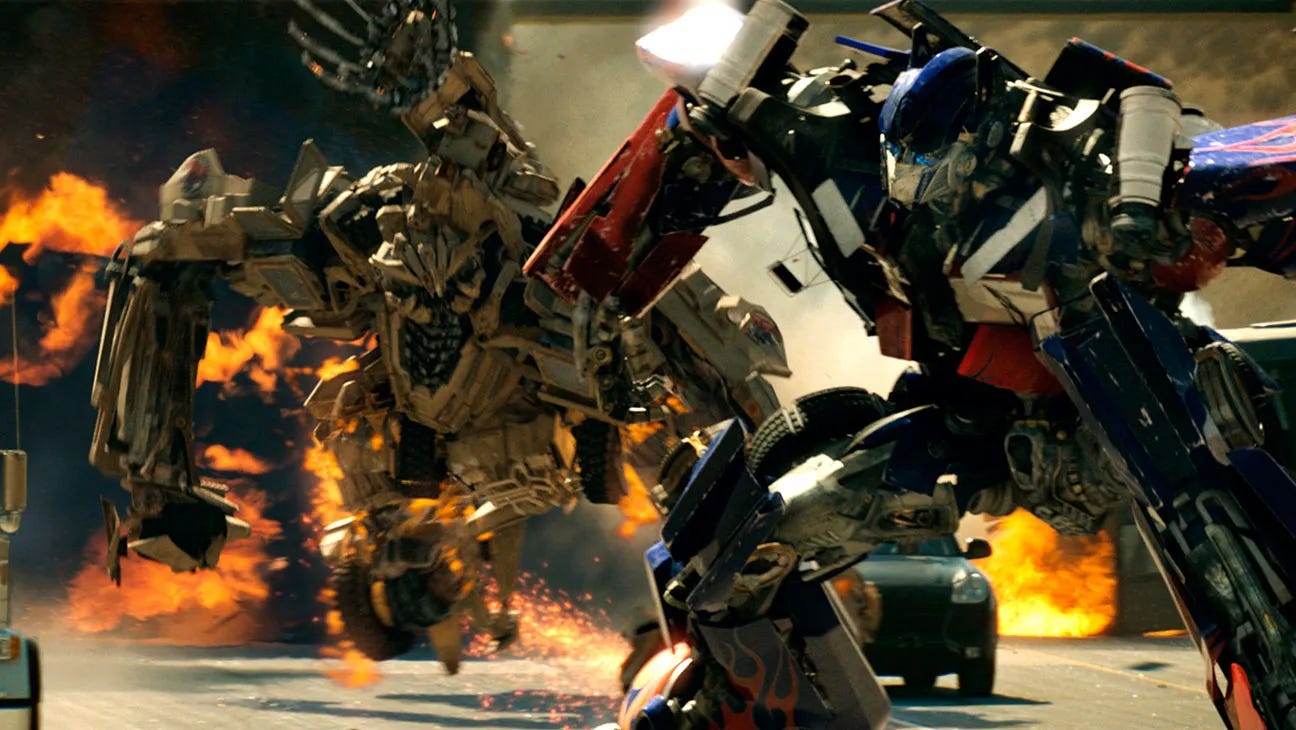
The root cause? A culture of conformity where artists fear creating anything that might offend or fail. Political correctness - or as Rob brilliantly reframed it, "political wrongness" - has created a generation of creators who copy rather than innovate, who prioritize safety over truth.
Key Moments
[00:02:31] Rob explains how hypnosis study led to film analysis discoveries
[00:26:02] Stanley Kubrick's background and development of encoding techniques
[01:10:15] The shocking revelation about 2001's monolith representing the movie screen
01:24:09] How Kubrick used "open codes" to communicate with audiences worldwide
[01:32:40] Why the 1978 Superman represents ideal heroic character development
[01:45:57] The difference between classic and modern film violence
[02:10:44] How political correctness has stifled creative originality
[02:32:00] The Shining's hidden theme of generational abuse cycles
Key Insights
Hypnosis techniques and cinema storytelling use identical psychological mechanisms
Kubrick spent years encoding revolutionary messages in mainstream Hollywood films
The monolith in 2001 represents movie screens as consciousness-expanding technology
Modern heroes have become vengeful victims rather than noble examples
Practical effects create "magic" that CGI spectacle cannot replicate
Political conformity has replaced creative risk-taking across all art forms
Notable Quotes
"When you ‘shine,’ [in The Shining”] you can see events that are coming in the future, and Kubrick is doing that to us with the foreshadowing stuff"
"Revenge is not a heroic trait. Using violence for emotional glee isn't heroic - it's pathetic"
"People are afraid to do anything in creative art that is original in case somebody disapproves"
"The father abuses the family. The kid grows up learning that's normal and becomes an abuser too"
“We are the apes touching the monolith when we watch movies"
"Kubrick was playing chess while everyone else was playing checkers"
This conversation reminded me why we need discernment when consuming media. Every film is teaching us something - the question is whether we're conscious enough to recognize what we're learning. Rob's work helps us become active, critical viewers rather than passive recipients of whatever Hollywood wants to program into our minds.
Watch the full viral episode:
Ready to grow as a biblical man? Limited mentorship spots:


