


This weekend the extremely online right decided Anakin Skywalker belongs to them.
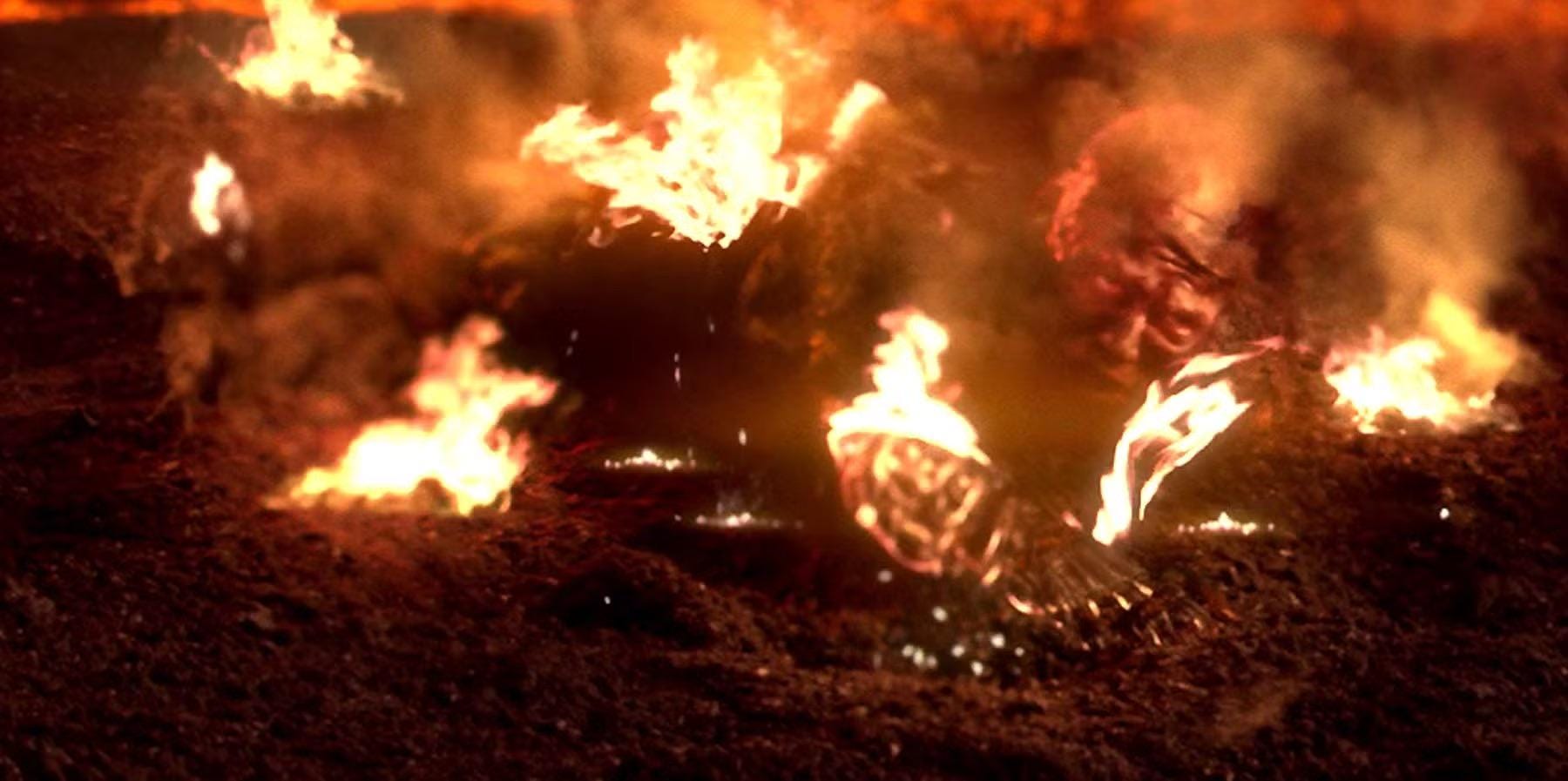
My feed filled with Vader memes, some of them a little too fond of the man who murdered children and Force-choked his wife. Then he got dismembered, hell-screamed “I hate you!!” at his best friend, and was set on fire before being imprisoned in a robot suit, in thrall to the Emperor, until his orphan son saves him.
Don’t worry, though, some of them understood that Anakin might not be the most sympathetic character to see themselves reflected in! So in their wisdom, they made sure to question the legitimacy of the “murdering children” part. Naturally, they have secret knowledge of what George Lucas really meant. (Maybe someone can let them know Lucas is a Boomer?)
Laugh at me writing about Star Wars, if you want. But I don’t think young men pick a villain at random to put in their memes. They pick the one they recognize themselves in. The Gen Z term for that is, “He’s literally me.” So when the man they recognize is a canonical murderer, it’s worth asking what they see in him.
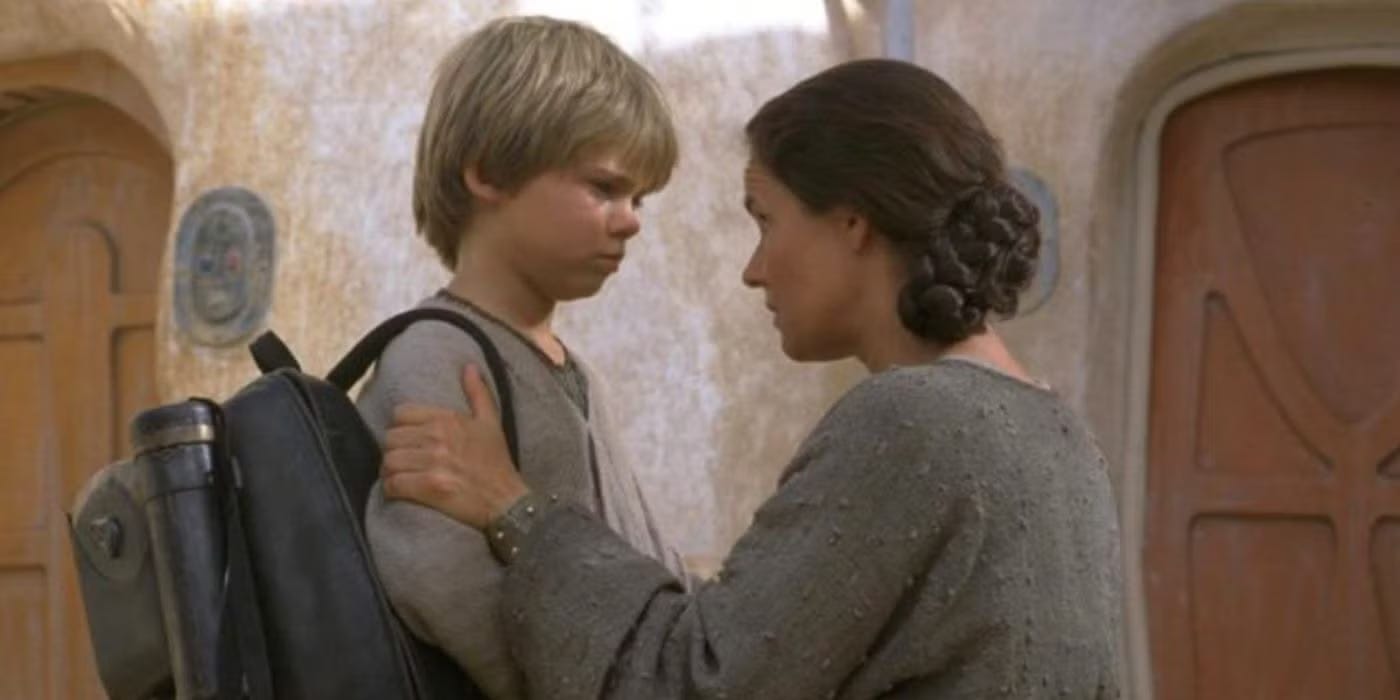
Anakin Skywalker begins as a lonely, fatherless boy and a slave. Then he’s separated from his mother by a wise mentor, Qui-Gon Jinn, who is killed by Darth Maul soon after. The role of mentor is taken up by Obi-Wan, in fulfillment of Qui-Gon’s dying wish.
There are a few problems here. Obi-Wan had only just become a full Jedi Knight himself, and therefore had never trained a Padawan. But suddenly he was responsible for the most powerful Force-sensitive child the Jedi had ever encountered? Obi-Wan became Anakin’s father figure when he was barely beyond being a student himself.
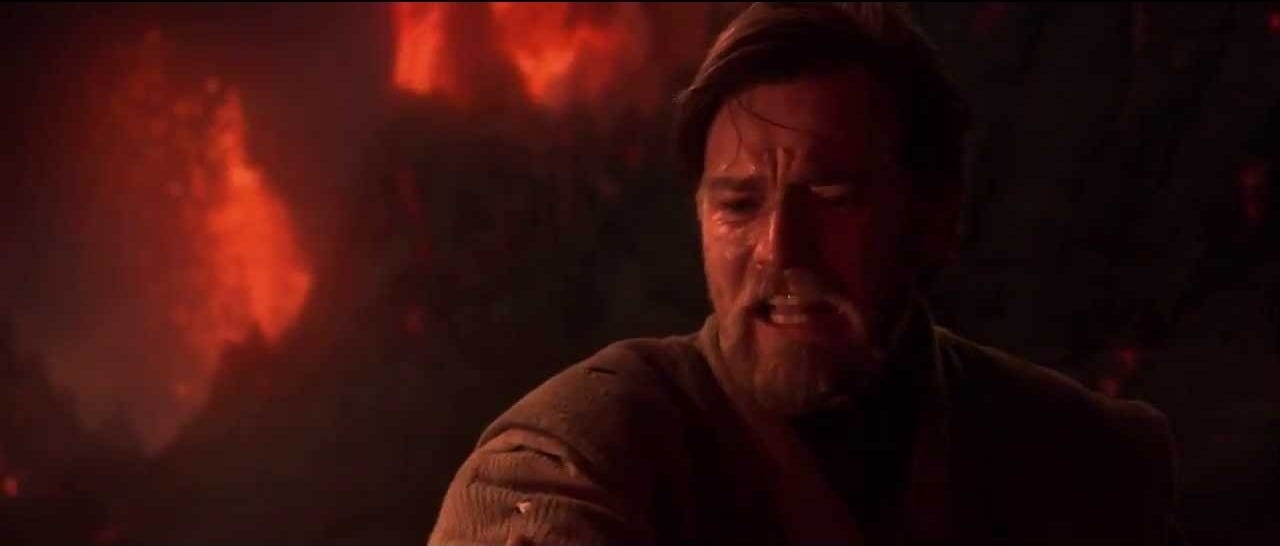
Obi-Wan’s own words gave it away in “Revenge of the Sith.” At the conclusion of their duel, just before Anakin is set aflame by the fires of hell (metaphorically), Obi-Wan tells Anakin: “You were my brother, Anakin. I loved you.”
Obi-Wan’s confession is that he understood their relationship in terms of brotherhood, not fatherhood. Too bad what Anakin really needed was a father.
With regard to the Jedi Order, Anakin is naturally gifted beyond his teachers but is emotionally unstable. He comes to believe that he’s resented by the Order that adopted him. So he grows into a young man who’s powerful and hungry for respect, believing that his genetics (“high midi-chlorian count”) are sufficient to make him worthy of the title “Master.”
If you’ve ever achieved mastery in anything, maybe you know that “natural giftedness” alone is never sufficient to get you there. Character matters, too.
Anakin also has a fatal weakness: he’s terrified of loss. He has already watched his mother die in his arms, and he answered that grief by slaughtering an entire Tusken village. So when he dreams of Padmé dying, murder is the implied response.
But who—or what—will be sufficient to absorb Anakin’s rage?
It’s also worth noting that Anakin’s sexual relationship with Padmé is forbidden by the Jedi Order. Though the Star Wars universe doesn’t use this word, Anakin is engaged in sexual sin.
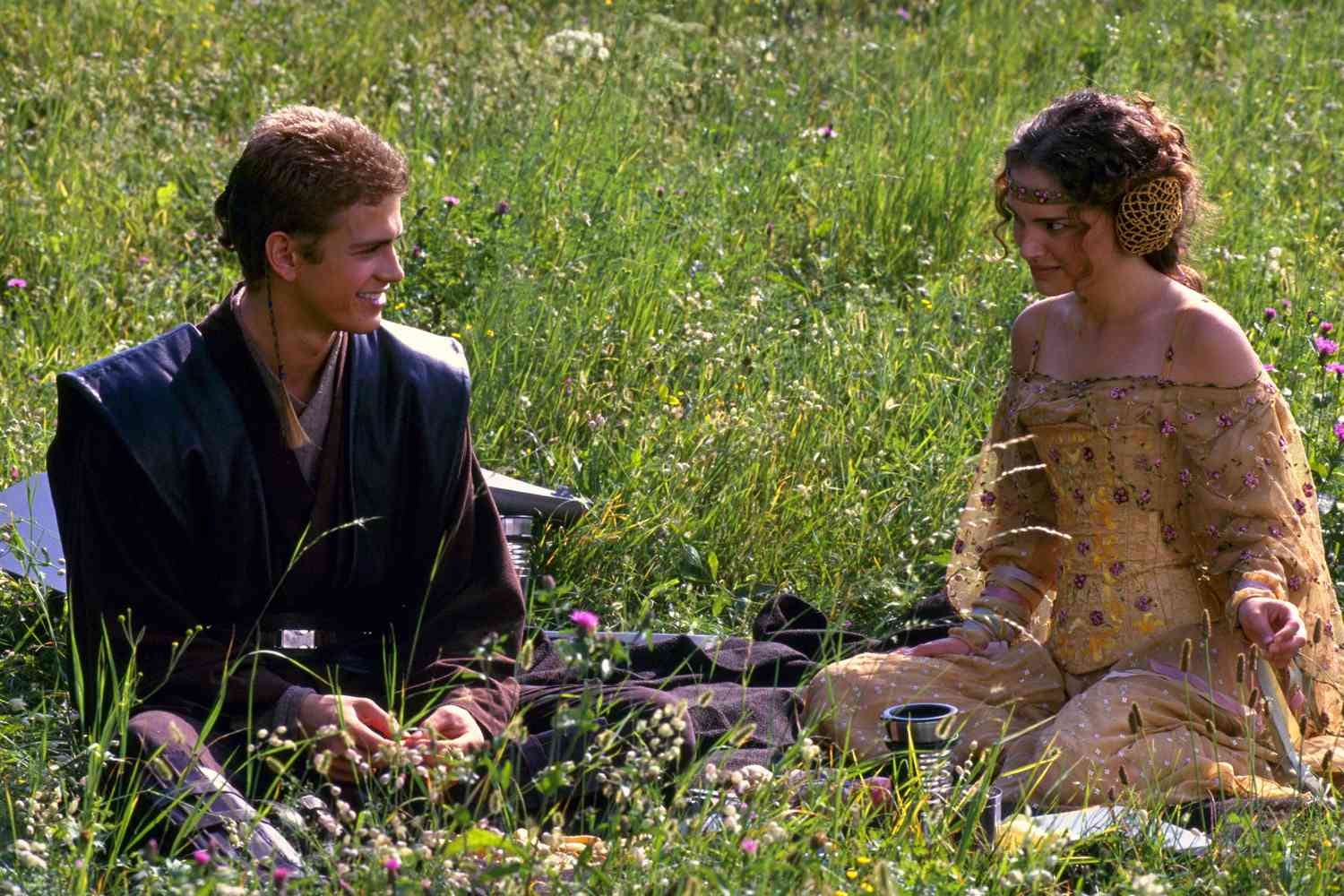
Not knowing about Anakin’s deception, but still sensing his moral frailty, the Jedi counsel patience. Palpatine instead offers power. Anakin takes the power, because it speaks to his desire (love and lust) and ministers to his weakness (fear of loss). And because his “brother” Obi-Wan never confronts him about what he suspects.
Fatherless, hungry for respect, entitled, disrespectful of elders, engaged in serious sexual sin, while his “best friend” stands by in silence.
Then Anakin walks into the Jedi Temple, kills everyone, and burns the place down.
Is any of this sounding familiar yet?
Your heroes are your confession. The man who tells you who he admires is telling you who he wants to be—or already is—underneath the identity he shows in public.
Young men watch this and identify with Anakin’s loneliness and resentment, the generational entitlement due to being told he’s special, the Holden Caulfield-esque sense that the institutions around them are weak and hypocritical and don’t deserve their loyalty.
What they avoid is any notion that Anakin might be an actual villain with a rotten heart, whose sinful choices—and the complicit silence of his supposed “brother”—led him into a place where he could be manipulated by a skilled deceiver into mass murder.
That is the story millions of young men are pledging allegiance to literally today.
Don’t say I didn’t warn you.
I write about the ideas pulling young (and increasingly not-so-young) men toward the fringe.
If you have a son, or if you saw a little of yourself in Anakin, subscribe. There’s more coming, including a longer piece about the characters young men call “literally me.”
I meant accurate in that relating to him may reveal far more about one's character (especially sins) than one may care to admit. The concern on a societal standpoint is the giving in to tyranny on a mass scale due to a lack of self-governance.
Plato speaks of different types of soul in the Republic. The tyrannic soul is actually what progresses from the democratic soul when desire (Eros) overpowers reason, and a man becomes enslaved to his own passions.
Do you think that young men who relate to Anakin are making an accurate self-evaluation? If accurate, it is clearly not a good self-evaluation, so then what is the responsibility of the young man to his community? What is the responsibility of the community to the young man?